In an era marked by climate uncertainties, rapid urbanization, and global interconnectivity, cities must cultivate the capacity to survive, adapt, and thrive when confronted by chronic stresses and acute shocks. Urban resilience encapsulates more than robust infrastructure—it demands a holistic, place-based approach that unites governments, businesses, communities, and individuals in striving for collective well-being.
By weaving economic diversity, social cohesion, and environmental stewardship into the urban fabric, cities can secure lasting prosperity. This article explores the core principles, economic dimensions, and practical strategies that empower municipalities to become engines of stability and growth.
Understanding Urban Resilience
At its core, urban resilience is defined as the ability of a city's systems and institutions to withstand and recover from both ongoing challenges—like inefficient transportation or chronic unemployment—and sudden shocks such as floods, earthquakes, or cyber-attacks. The concept underscores the need to strengthen not only physical assets but also social networks, governance structures, and economic systems.
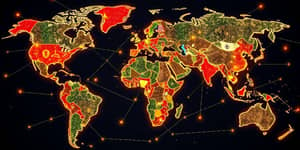
Three converging megatrends drive the urgency for resilience: climate change, unrelenting urban growth, and globalization. More than half of the world’s population now lives in cities, a figure projected to rise to eighty percent by mid-century—amplifying risks such as heat islands, water scarcity, and economic volatility.
The Economic Imperative of Resilient Cities
Economic robustness is a cornerstone of resilience. Cities that rely heavily on a single industry can suffer devastating setbacks when markets collapse, as Detroit’s dependence on the automotive sector famously illustrated. When demand plummeted, municipal revenues fell, precipitating cuts to essential services and infrastructure maintenance.
To avoid similar fates, urban planners advocate for diverse economies to weather downturns. This involves cultivating multiple sectors—technology, creative industries, green services—and aligning public and private finance toward inclusive growth. The City Development Strategy (CDS) framework exemplifies this approach by engaging stakeholders in identifying risks, setting equitable development goals, and mapping investment priorities.
The Rockefeller Foundation’s 100 Resilient Cities initiative has further advanced economic resilience by appointing Chief Resilience Officers (CROs) in over a hundred municipalities. These leaders coordinate cross-sector collaborations, unlock new financing tools, and drive transformational change even in the aftermath of major disruptions.
Key Strategies for Enhancing City Resilience
Building resilience requires an integrated mix of policies, partnerships, and practical steps. Leaders must establish clear goals, measure progress, and foster collaboration across sectors and scales.
- Assessment and Analysis: Conduct comprehensive risk and vulnerability audits.
- Integrated Planning: Embed resilience in land use, transportation, and housing policies.
- Infrastructure Resilience: Design disaster-proof utilities, roads, and buildings.
- Community Engagement: Empower residents with preparedness training and decision-making roles.
- Innovative Financing: Tap public, private, and philanthropic capital for resilience projects.
Effective implementation also hinges on risk-informed urban development planning, which directs resources toward the most pressing vulnerabilities. Smart technologies—such as early-warning systems, real-time monitoring, and data analytics—offer powerful tools for detecting hazards and optimizing responses.
Measuring and Governing for Long-Term Impact
Hands-on measurement frameworks enable cities to track progress and adapt over time. The City Resilience Index (CRI) outlines twelve universal factors across four dimensions: health and security; economy and society; infrastructure and environment; leadership and institutions. Each city tailors metrics to local contexts, ensuring relevance and accountability.
Iterative adaptation to evolving challenges is fundamental. Regular evaluation fosters continuous learning, while open data platforms and transparent governance build public trust. Inclusive leadership—bridging municipal agencies, national governments, NGOs, and community groups—ensures that policies reflect diverse needs and drive collective action.
Charting a Path Forward
Urban resilience is not a one-time achievement but an ongoing journey. By weaving economic diversity, social equity, and environmental stewardship into their development narratives, cities can unlock resilience dividends—improved quality of life, economic growth, and reduced disaster costs.
The challenges are complex and interconnected, yet the potential rewards are profound. Municipal leaders, businesses, civil society, and residents each have a role to play. Together, they can transform vulnerabilities into strengths, ensuring that cities remain vibrant, adaptable, and economically robust for generations to come.
References
- https://resilientcitiesnetwork.org/what-is-urban-resilience/
- https://www.e-zigurat.com/en/blog/urban-resilience-sustainable-cities/
- https://climatalk.org/2024/10/29/urban-resilience-city-adapt-survive/
- https://www.weforum.org/stories/2013/01/the-importance-of-urban-resilience/
- https://www.undp.org/blog/urban-resilience-addressing-old-challenge-renewed-urgency
- https://en.wikipedia.org/wiki/Urban_resilience
- https://aese.psu.edu/research/centers/cecd/news/food-for-thought-what-is-urban-resilience-anyway