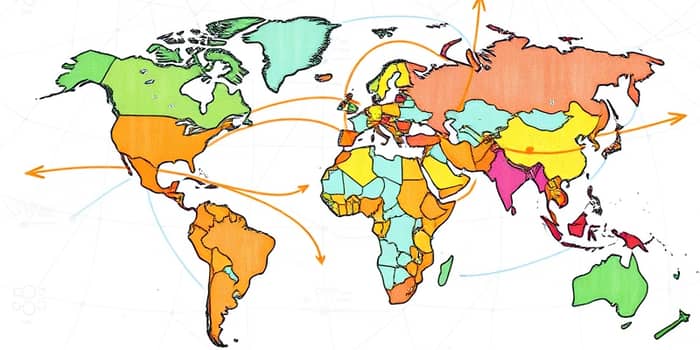
In recent decades, the global economic landscape has witnessed a seismic shift as countries come together to form trade blocs. These alliances, ranging from free trade areas to full economic unions, have transformed commerce, policy-making, and regional cooperation. Today, over half of the world’s trade occurs within these groups, highlighting their growing influence as the rise of new economic powerhouses.
By reducing tariffs, harmonizing regulations, and promoting investment, trade blocs enable member states to unlock new markets and realize economies of scale. This collaborative approach not only fuels growth but also provides a shield against protectionist headwinds, fostering stability and shared prosperity.
From Asia-Pacific to Africa and beyond, trade blocs are rewriting the rules of engagement, fostering regional supply chains and reducing dependence on distant markets. As nations navigate economic uncertainties, these partnerships offer pathways to stability and shared advancement.
Historical Evolution of Trade Blocs
The concept of regional integration dates back to the aftermath of World War II, when nations sought pathways to rebuild and secure lasting peace. The European Coal and Steel Community laid the foundation for the modern European Union, illustrating how economic interdependence can foster political cooperation. Similar motivations led to the creation of NAFTA in 1994, later revamped as USMCA, which cemented North American trade ties.
By the late 1990s, more than 50 percent of global commerce flowed within these frameworks. This trend accelerated as globalization peaked, and nations realized that strategic partnerships could amplify their bargaining power on the world stage. The recent decades have seen both expansions—like the EU’s single market launch in 1993—and the birth of new alliances, such as RCEP in 2022 and AfCFTA in 2020.
While early blocs focused primarily on tariff reduction, modern agreements incorporate chapters on digital commerce, environmental standards, and labor rights. This holistic approach underscores a recognition that sustainable development requires more than just open markets—it depends on robust governance and social safeguards.
Types of Integration
Regional blocs can be categorized by the depth of their integration, from basic tariff elimination to full monetary alignment. Understanding these stages helps to appreciate their unique objectives and the benefits they offer.
Each tier of integration demands careful negotiation and mutual trust. Transitioning from a free trade area to a customs union, for instance, requires members to reconcile domestic pressures with collective goals. The EU’s journey from a coal and steel community to a 27-member economic and monetary union exemplifies the patience and vision needed for deep integration. This framework illustrates how alliances can deepen over time, evolving from simple trade pacts to fully integrated economic entities that deliver inclusive growth and resilience.
Economic Impacts and Projections
As these blocs mature, their economic footprints expand substantially. The African Continental Free Trade Area, for instance, unites 55 countries and aims to create a single market for 1.3 billion people. By dismantling trade barriers, it is expected to foster intra-African trade growth of over 52 percent, leading to a projected $29 trillion economy by 2050. This integration could lift 50 million individuals out of extreme poverty.
In Asia, the Regional Comprehensive Economic Partnership stands as the world’s largest trade bloc by GDP. Comprising 15 nations, including economic giants China, Japan, and Australia, RCEP seeks to streamline supply chains and actively promotes market integration across one-third of global output.
Similarly, the Pacific Alliance, comprised of four Latin American countries, has fostered regional cooperation and attracted significant investment in energy and technology sectors. By championing a nuclear-free zone and open data initiatives, it offers a model for combining economic growth with progressive policy frameworks.
In Europe, the EU’s single market accounts for roughly €14.5 trillion in GDP, ranking it as the third-largest economy globally. With four freedoms—goods, services, capital, and persons—citizens and businesses enjoy unparalleled mobility. Projections suggest that further eastward enlargement could inject fresh dynamism into the bloc, reinforcing its status as a beacon of continually expanding trade horizons.
Pros and Cons of Regional Blocs
Member states must weigh potential gains against the risks of trade diversion and policy constraints. A balanced view helps policymakers and business leaders make informed decisions.
- Pros of Joining a Bloc:
- Access to larger markets and diversified export opportunities.
- Economies of scale through streamlined production and distribution.
- Enhanced political cooperation and shared regulatory frameworks.
- Attraction of foreign direct investment due to a unified market.
- Cons to Consider:
- Risk of sidelining non-member countries and global trading norms.
- Potential loss of policy autonomy on tariffs and standards.
- Economic disparities among members may lead to uneven benefits.
- Complex negotiation processes that slow down decision-making.
It is important to note that smaller economies sometimes struggle to compete with larger partners, necessitating regional support funds and transition periods. For example, Cohesion Policy in the EU redistributes resources to less-developed regions, illustrating how blocs can design mechanisms to address internal disparities.
Future Trends and Emerging Challenges
Looking ahead, the tapestry of regional alliances will continue to evolve in response to shifting geopolitical and economic dynamics. Several key trends merit attention:
- The emergence of mega-blocs that span continents, challenging traditional power balances.
- Further deepening of African integration, potentially leading to a continental customs union by the late 2020s.
- Digital trade provisions and sustainable development clauses becoming standard in new agreements.
- Efforts to reconcile regional pacts with multilateral systems under the World Trade Organization.
- Adaptation to external shocks, such as pandemics and supply chain disruptions, reinforcing the need for cooperative resilience.
Moreover, environmental sustainability is poised to become a central pillar of future agreements. Carbon border adjustments and green technology standards will likely shape negotiations, aligning trade objectives with climate goals. This intersection of commerce and conservation represents a promising frontier for cooperative policymaking.
Finally, the digital transformation accelerated by recent global events has pushed blocs to include e-commerce chapters, data protection rules, and cybersecurity protocols. As economies become more interconnected virtually, ensuring a secure and seamless flow of digital services will be critical.
As the world confronts complex challenges, from climate change to geopolitical tensions, regional trade blocs stand as testaments to the power of unity. By combining sovereignty with solidarity, they forge a path toward a future that is both prosperous and equitable. These alliances represent comprehensive and progressive partnerships that transcend geographical boundaries, forging stronger ties and shared prosperity.
References
- https://www.weforum.org/stories/2023/04/growth-summit-2023-world-biggest-trading-blocs/
- https://www.economicshelp.org/blog/glossary/trading-blocks-pros-and-cons/
- https://en.wikipedia.org/wiki/Trade_bloc
- https://fiveable.me/key-terms/international-economics/regional-trade-bloc
- https://biz.libretexts.org/Bookshelves/Business/Advanced_Business/International_Business_(LibreTexts)/05:_Global_and_Regional_Economic_Cooperation_and_Integration/5.03:_Regional_Economic_Integration
- https://www.bbvacib.com/insights/news/https-www-bbvacib-com-es-insights-news-what-are-trade-blocs/
- https://corporatefinanceinstitute.com/resources/economics/regional-trading-agreements/
- https://ift.world/concept1/concept-34-types-trading-blocs-regional-trading-agreements/