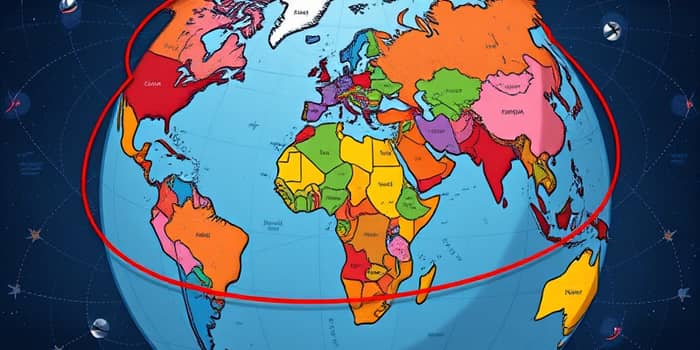
In 2026, the world economy is experiencing a profound transformation as protectionist policies surge across major powers. This shift marks a turning point from decades of open markets toward a landscape where national interests drive trade decisions. Businesses, policymakers, and consumers must adapt to an environment defined by heightened barriers, strategic alignments, and economic uncertainty.
Understanding the Resurgence of Protectionism
Globalization has long been the dominant paradigm guiding international commerce. In recent years, however, mounting concerns over security, sovereignty, and industrial competitiveness have sparked a wave of restrictive measures. Governments are embracing economic sovereignty and national security as justifications for new tariffs, quotas, and regulations that shield domestic producers from foreign competition.
The second Trump administration in the United States escalated this trend by imposing extensive tariffs under Section 232 and other statutes. These actions targeted semiconductors, critical minerals, and equipment linked to strategic rivals, sending shockwaves through global value chains. The resulting fragmentation has triggered a broader backlash, with trading partners retaliating in kind.
Major Drivers of the New Trade Barriers
- US Leadership in Tariffs: The United States raised levies on imports from China and other countries, leveraging security carve-outs to exclude advanced semiconductors but maintaining high barriers on key industries.
- Global Retaliation and Cascading Effects: A phenomenon of cascading protectionist measures across industries has emerged as exporters lobby for similar safeguards, embedding trade walls within national economies.
- Geopolitical and Security Factors: Rivalries in technology, defense, and energy have prompted sanctions and export controls, reshaping alliances and redirecting commerce toward favored partners.
- Regulatory Tightening: Since 2020, governments have introduced nearly 18,000 discriminatory measures, expanding technical regulations to cover two-thirds of global trade and raising compliance costs.
Economic Impacts and Market Shifts
Protectionism’s return has measurable consequences for growth, inflation, and the structure of international markets. Forecasts suggest global GDP will slow to around 2.6% in 2026, with developing economies outside China growing about 4.2%. These rates reflect diminished demand from major consumers and the drag effects of higher trade barriers.
Tariffs have acted as a hidden tax on producers and consumers, fueling price increases through supply chain disruptions and restricted competition. As the producer price index climbs, central banks face the prospect of simultaneous inflation and unemployment pressures, a phenomenon not seen since the 1970s.
Shifts in import patterns are also notable. Higher duties prompted US buyers to substitute less-protected goods or seek exemptions for critical inputs like AI chips. China, in turn, redirected excess manufacturing capacity toward alternative markets, deepening ties with regions that opposed American policy moves.
Regional Dynamics and Shifting Alliances
The United States continues to balance tariff revenues against the risk of alienating key allies. While waivers for semiconductors and critical minerals slightly mitigate supply constraints, the overarching approach favors reshoring and subsidies to bolster domestic output.
China has adapted by forging deeper partnerships with the EU, Latin America, and Belt and Road participants. It has also expanded tokenized cross-border payment systems, aiming to erode dollar dominance and facilitate trade settlement outside traditional channels.
In Europe, policymakers have diverged from US patterns, planning higher barriers on Chinese pharmaceuticals and advanced manufacturing. Simultaneously, the EU has pursued new agreements with India and the Mercosur bloc to diversify imports and strengthen regional supply chains.
Developing economies and BRICS members face a dual challenge of slower external demand and tighter financing conditions. Brazil and Mexico have emerged as beneficiaries of reconfigured supply chains, attracting manufacturing investment fleeing high-tariff zones.
Risks, Opportunities, and Policy Implications
- Risks: Prolonged policy uncertainty can erode investor confidence, disrupt small exporters, and strain global crisis response mechanisms.
- Opportunities: Protected sectors in high technology and green energy may gain a competitive edge, while regional trade agreements can foster resilience and diversification.
- Policy Needs: Crafting flexible multilateral frameworks that accommodate security concerns without undermining trade liberalization will be essential to rebalance growth prospects.
As protectionism deepens, organizations and individuals must develop strategies to thrive. Companies should assess supply chain vulnerabilities, diversify sourcing, and invest in adaptive technologies that reduce reliance on high-tariff goods.
Governments can help by offering targeted support for digital transformation and green industries, promoting inclusive trade rules that safeguard small and medium businesses. By championing transparency in regulatory measures and negotiating balanced agreements, policymakers can ease fragmentation and restore momentum to global commerce.
Recognizing heightened barriers and strategic realignments as catalysts for innovation can help transform obstacles into opportunities for collaboration and growth.
By embracing resilient supply chains and strategic partnerships, stakeholders can navigate this new era of trade with foresight and confidence, ensuring that barriers become stepping stones toward innovative solutions rather than obstacles to progress.
References
- https://www.atlanticcouncil.org/dispatches/five-trends-to-watch-in-the-global-economy-in-2026/
- https://trendsresearch.org/insight/political-strategic-and-economic-trajectories-in-2026/
- https://unctad.org/publication/global-trade-update-january-2026-top-trends-redefining-global-trade-2026
- https://kpmg.com/us/en/articles/2026/global-trade-outlook-2026.html
- https://econify.org/trade-protectionism-2026-global-trade-order/
- https://www.weforum.org/stories/2026/01/global-trade-globalization-resilience-adaption/