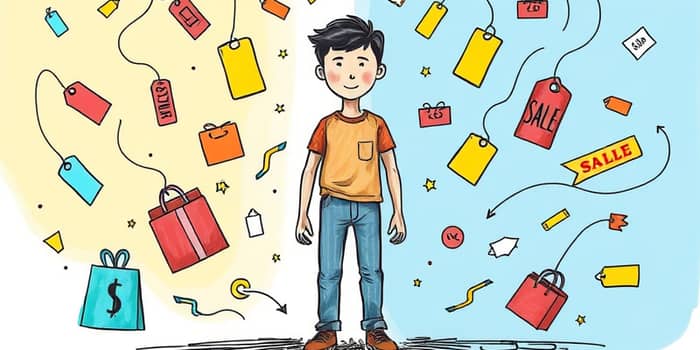
Impulse buying is a universal phenomenon that affects millions of consumers every day. Whether in bustling malls or at the click of a button online, most of us have experienced that sudden urge to buy something we hadn’t planned for. These unplanned purchases can lead to regret, wasted resources, and financial stress, but they also reveal fascinating insights into human psychology and decision-making.
Prevalence and Impact of Impulse Buying
Research shows that between 40% and 80% of purchases are driven by spontaneous desire rather than careful planning. In 2024, the average consumer spent $282 per month on impulse buys, down slightly from previous years, but still adding up to an astonishing $71 billion annually. Up to 78% of online shoppers admit to making unplanned purchases, while 62% of in-store purchases fall into the same category.
Nearly 84% of U.S. shoppers have made impulse purchases, and 36% say that most of their purchases are unplanned. Despite the thrill, 48% of online buyers express regret afterward—a clear signal that impulse decisions often clash with long-term goals.
The Emotional and Cognitive Mechanics
At the heart of impulse buying lies the brain’s reward system. A sudden desire to shop triggers dopamine release, offering instant emotional relief and a momentary escape from stress or boredom. Consumers with low self-esteem or high anxiety are especially prone to seeking this quick boost in mood.
Psychologists identify mood-congruent behavior as a key factor: positive emotions may lead to celebratory splurges, while negative moods drive retail therapy. Overriding rational thought, these impulses often stem from momentary loss of rational control, creating a tension between what we know is wise and what feels gratifying in the moment.
Key Triggers and Environmental Factors
Retailers expertly manipulate our instincts. Limited-time offers, flash sales, and scarcity messages activate the brain’s threat response, making us fear missing out. Surroundings also matter—ambient music, inviting scents, and appealing displays all contribute to a heightened urge to buy.
- Urgency and scarcity cues: Flash discounts and countdown timers create pressure.
- Social media influences: Targeted ads and influencer endorsements spark spontaneous desire.
- In-store ambience: Lighting, music, and layout encourage lingering and browsing.
- Emotional states: Stress, boredom, or celebration can trigger unplanned spending.
Types and Contexts of Impulse Buys
Not all impulse buys are equal. Experts categorize them into three main types, each with its own psychological footprint:
- Pure Impulse: Driven purely by novelty or emotion, offering unexpected pleasure.
- Reminder Impulse: Triggered by stimuli that remind us of an existing need.
- Suggested Impulse: Resulting from a recommendation or strategic placement in stores.
These spontaneous purchases occur across channels—whether browsing a bricks-and-mortar shop, scrolling through an e-commerce site, or engaging with social media ads. Millennials and Gen Z are particularly susceptible, with 75-80% admitting to impulse buys, often influenced by online discounts and peer trends.
Practical Strategies to Regain Control
Understanding the triggers is only half the battle. To conquer impulsive spending, consumers can adopt a series of evidence-based tactics designed to reverse the very mechanisms that drive unplanned purchases.
- Pause for critical evaluation: Before completing a purchase, take a moment to ask if it aligns with your goals.
- Create a waiting period: Implement a 24-hour rule for non-essential items to reduce pure impulse buys.
- Track and budget: Use apps or journals to monitor spending and identify patterns.
- Build healthy alternatives: Substitute shopping with other mood-regulating activities like exercise or hobbies.
- Limit exposure: Block promotional emails, avoid high-trigger environments, and use ad blockers online.
By addressing both emotional and contextual factors, these methods empower individuals to shift from reactive to deliberate spending. Encouraging mindful decision-making processes can transform shopping from a chaotic impulse into a thoughtful choice.
Building Lasting Financial Wellbeing
Conquering impulse buys contributes to stronger financial resilience. Small, consistent changes in behavior yield significant savings over time. Replacing spur-of-the-moment purchases with intentional investments in experiences or long-term goals fosters long-term financial wellbeing and reduces buyer’s remorse.
Financial experts recommend combining self-regulation with environmental adjustments. For example, setting up automatic savings transfers before discretionary spending ensures that impulsive urges have less impact on your overall budget.
Remember, impulse control is like a muscle: it strengthens with consistent practice and thoughtful rest. By gradually building self-discipline and understanding the psychological roots of spending, you can reclaim control over your finances and transform impulsive habits into mindful purchasing power.
Embrace these strategies today to navigate the seductive world of consumerism with confidence. With awareness, patience, and planning, every purchase can become an intentional step toward your financial goals.
References
- https://jmsr-online.com/article/understanding-the-psychology-of-impulse-buying-in-e-commerce-a-behavioral-review-314/
- https://capitaloneshopping.com/research/impulse-buying-statistics/
- https://pmc.ncbi.nlm.nih.gov/articles/PMC8206473/
- https://www.statista.com/statistics/1484170/impulse-shopping-habits-by-generation-usa/
- https://www.invespcro.com/blog/impulse-buying/
- https://www.simplicitydx.com/press/simplicitydx-research-shows-how-impulse-purchases-are-bad-for-both-consumers-and-brands
- https://nchstats.com/triggers-impulse-buying/
- https://www.dacgroup.com/en-gb/insights/blog/strategy/analytics-reveals-the-psychology-of-impulse-purchases/
- https://onlinelibrary.wiley.com/doi/10.1002/cb.2418
- https://www.repsly.com/blog/consumer-goods/theres-some-cool-psychology-behind-impulse-buys-infographic