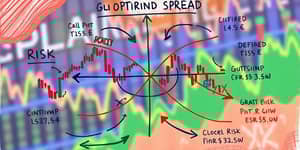
In a world where market sentiment often dictates investment decisions, contrarian investors chart their own course. By observing when optimism or pessimism reaches extremes, they seize rare opportunities. This approach demands courage, patience, and rigorous analysis, yet the rewards can be substantial for those willing to stand apart.
Contrarian investing challenges the notion that following the herd leads to consistent gains. Instead, it believes that crowd behavior can lead to mispricings in markets, creating fertile ground for disciplined investors. As waves of fear or euphoria wash through markets, true value can be obscured, paving the way for outsized returns.
Contrarian Philosophy and Origins
The roots of contrarian investing lie in the simple yet profound idea that markets often overreact. When headlines scream doom or extol unbridled growth, prices can stray far from intrinsic value. Contrarian thinkers aim to exploit these gaps by buying when assets are unloved and selling when they become fashionable.
Key tenets include recognizing that exaggerated swings in sentiment tend to reverse, and that patience is as crucial as analysis. By adopting a mindset that patience, confidence, and rationality with high returns lies ahead, contrarians embrace opportunities others overlook.
Lessons from Legendary Practitioners
History has bestowed remarkable success on a select group of investors who dared to defy consensus. Their stories illuminate the power of contrarian conviction:
- David Dreman
- Jim Rogers
- Warren Buffett
- Sam Zell
- Sir John Templeton
- George Soros
Each of these figures capitalized on moments when broader sentiment skewed valuations. They demonstrated that disciplined analysis and a long-term horizon often prevail over short-term market noise.
Market Mispricing and Behavioral Dynamics
Behavioral biases fuel many market mispricings. When optimism snowballs, investors pour capital into favored sectors, inflating prices. Conversely, pervasive pessimism can drive solid businesses to bargain levels.
During these extremes, contrarians look for cases where fundamentals diverge sharply from market sentiment. They understand that exaggerated optimism and pessimism drive prices to unwarranted highs or lows.
Examples of mispricing mechanisms include:
- Overvalued growth stocks subject to investor euphoria
- Undervalued cyclical names hit by broad economic fears
- Deep-value opportunities arising from temporary news or sentiment shocks
Proven Contrarian Strategies
Contrarian approaches span a spectrum of techniques, each reflecting the core principle of buying undervalued and selling overvalued assets.
One popular method is fundamentally strong companies whose stocks are undervalued. Deep value investors screen for businesses trading well below intrinsic value, often identified through low price-to-earnings ratios or depressed cash flow multiples.
The Dogs of the Dow strategy offers a simpler entry point. By selecting the ten highest-yielding Dow Jones stocks each year, investors target firms punished by the market, then rebalance annually.
Options-based contrarian plays include selling cash-secured puts to acquire shares at discounted prices and writing covered calls on positions deemed expensive after extended rallies. These tactics generate income while positioning for favorable entry or exit points.
Current Market Opportunities
As of late 2024, several sectors exhibit compelling contrarian characteristics. Below is a snapshot of areas where sentiment or performance has lagged, yet fundamentals suggest potential upside.
Key Investment Principles for Contrarians
Successful contrarian investors adhere to a core set of guidelines designed to manage risk and maximize reward.
- Strong Financial Fundamentals: Seek companies with solid balance sheets and durable competitive advantages.
- Long-Term Investment Horizon: Embrace volatility as a short-term phenomenon, focusing on multi-year outcomes.
- Risk Considerations: Recognize that value traps abound in contrarian investing and conduct rigorous due diligence.
- Portfolio Diversification Through Concentration: Allocate meaningfully to high-conviction positions rather than spreading capital too thin.
Emotional and Practical Challenges
Contrarian investing tests both the intellect and the nerve. It feels counterintuitive to buy assets shunned by peers or to sell when others remain bullish. Maintaining discipline requires conviction and the ability to withstand short-term pain.
Many investors find it easier to follow momentum and crowd sentiment, but this often leads to buying high and selling low. By contrast, contrarians buy low and sell high, positioning themselves against prevailing trends.
It is vital to remain open to new information, adjust convictions when warranted, and avoid stubbornly clinging to outdated views. Successful contrarians balance confidence with humility.
Conclusion
Investing against the crowd offers a powerful edge for those willing to embrace discomfort and maintain discipline. By identifying mispriced assets, applying time-tested strategies, and adhering to sound principles, contrarian investors can uncover opportunities overlooked by the majority.
While the path is not easy—requiring rigorous analysis, emotional resilience, and a long-term perspective—the potential for outsized returns makes contrarian investing a compelling approach for modern portfolios.
References
- https://www.bankrate.com/investing/contrarian-investments/
- https://greyledge.com/contrarian-vs-trend-following-investment-approaches/
- https://corporatefinanceinstitute.com/resources/career-map/sell-side/capital-markets/contrarian-investing/
- https://www.britannica.com/money/contrarian-investing
- https://etfdb.com/etf-trading-strategies/getting-started-as-a-contrarian-investor/
- https://www.morningstar.com/funds/3-contrarian-investment-strategies-worth-considering-today
- https://www.lynalden.com/contrarian-investing/
- https://www.youtube.com/watch?v=ozIeC5PxcoA
- https://en.wikipedia.org/wiki/Contrarian_investing
- https://beckbode.com/blog/contrarian-investing-strategies
- https://www.contrarian-investing.com