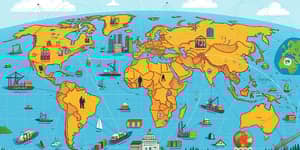
Five years after the onset of a global health crisis, the world stands at a crossroads. The rebound we’ve witnessed is the strongest from a global recession in over six decades. Yet beneath this triumph lies a complex tapestry of progress and setbacks, of nations forging ahead and others striving to catch up. This article charts the path from the depths of the pandemic to a future shaped by innovation, collaboration, and purpose.
The Resilience of the Global Rebound
In 2026, global GDP per capita is approximately 10% above its 2019 level. This surge reflects unprecedented policy support, rapid vaccine rollouts, pent-up consumer demand, and shifts toward digitalization. Central banks and governments around the world injected fiscal stimulus, cut interest rates, and backed key industries. The result was a dramatic snapback that outpaced any recovery since the 1960s.
However, beneath headline growth rates lies an uneven across emerging economies reality. While roughly 90% of advanced economies have surpassed pre-pandemic income levels, more than a quarter of emerging market and developing economies (EMDEs) still lag significantly. These disparities have profound social and political implications, underscoring the urgency of inclusive solutions.
Uneven Road: Advanced vs. Emerging Economies
Advanced economies have benefited from robust financial markets, strong institutional frameworks, and direct access to vaccines. In contrast, many EMDEs grapple with high debt, limited fiscal space, and persistent climate shocks. The following list captures key divergences:
- Advanced economies: Policy easing, tech investment, strong labor income.
- Emerging markets: Debt distress, climate vulnerability, weaker fiscal buffers.
- Low-income/fragile states: Limited vaccine access, structural fragility, external financing gaps.
Addressing these gaps requires targeted measures and global solidarity. Without meaningful support, the recovery risks leaving billions behind.
Key Drivers and Trends Shaping 2026
The consensus among leading institutions paints a picture of moderate, yet subdued growth. Forecasts for 2026 global GDP expansion range from 2.6% to 3.3%, below the pre-pandemic average of 3.2%. Yet this forecast masks both optimism and caution.
Key themes driving these forecasts include:
- technology and AI integration boosting productivity gains.
- Monetary policy normalization amid inflation moderation.
- Renewed trade tensions and geopolitical risks tempering investment.
Regions diverge sharply: the United States is projected to grow around 2–2.6%, China near 4.8%, while the euro area remains closer to 1.3%. South Asia and parts of Africa show brighter prospects, but fiscal constraints loom large.
Blueprint for Sustained Growth and Inclusion
To build on the current momentum, leaders and stakeholders must embrace a multifaceted strategy. Core elements include:
- debt relief and climate finance for vulnerable countries, expanding concessional lending and restructuring.
- open, rules-based trade system to foster market access and reduce fragmentation.
- infrastructure and productivity boost through targeted public investment and regulatory reform.
- coordinated policy action and investment in health, education, and digital access to narrow inequality.
Multilateral institutions can lead by scaling climate and development funds under commitments like the Sevilla initiative, while encouraging private capital to flow into sustainable projects. Trade agreements must be modernized to reflect digital services and green goods, reinforcing shared prosperity.
Upside Potential and Downside Risks
There is room for optimism if economies accelerate technology adoption and central banks ease more rapidly than expected. A faster-than-anticipated AI productivity boom could lift global growth above 3% and create millions of new jobs.
Yet risks persist. Climate shocks—ranging from floods to droughts—threaten agricultural output and infrastructure. Geopolitical tensions could reignite tariff barriers, while high sovereign debt levels limit fiscal responses. Labor market stagnation and housing shortages in many advanced economies risk undermining social cohesion.
Charting a Path Forward
Ultimately, this blueprint calls for unwavering commitment at every level: from international organizations coordinating debt and trade reforms to local governments investing in sustainable infrastructure. Private enterprises must partner with public agencies to scale green technologies and digital networks, ensuring no region is left behind.
For individuals and communities, resilience can be fostered by upskilling in digital tools, advocating for equitable policies, and supporting local green initiatives. Empowered citizens mobilize change, turning macroeconomic goals into tangible improvements in livelihoods.
The five-year journey from crisis to recovery has shown the world’s capacity for adaptation and renewal. Now, with clear vision and concerted effort, we can harness this moment to sustain inclusive and resilient growth—building a future where prosperity is shared and ecosystems thrive.
References
- https://www.goldmansachs.com/insights/articles/the-global-economy-forecast-to-post-sturdy-growth-in-2026
- https://www.imf.org/en/publications/weo/issues/2026/01/19/world-economic-outlook-update-january-2026
- https://desapublications.un.org/publications/world-economic-situation-and-prospects-2026
- https://rsmus.com/insights/economics/economic-outlook-for-2026.html
- https://unctad.org/publication/world-economic-situation-and-prospects-2026
- https://www.hinrichfoundation.com/research/how-to-use-it/economic-development/world-bank-group-economic-prospects-january-2026
- https://www.imf.org/en/publications/weo