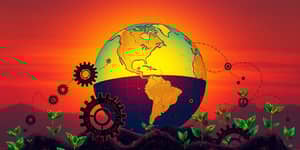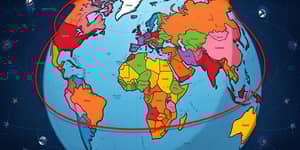
Arid and semi-arid regions cover nearly 40% of Earth’s habitable land, presenting a frontier for innovation, investment, and sustainable growth.
Understanding the Landscape: The Rise of Aridity
Over the past three decades, 77.6% of terrestrial ecosystems have experienced permanent drying, driven by climate shifts and unsustainable land use. These changes have led to a significant decline in soil organic carbon (SOC) by 3.3% and reduced nutrient cycling, posing threats to biodiversity and water-use efficiency.
The expansion of drylands carries profound consequences. Without intervention, millions could face food insecurity, while land degradation accelerates climate-driven aridity expansion. However, with strategic action, these very challenges can be turned into opportunities.
Recognizing the scale of the problem is the first step toward crafting solutions that harness the full potential of these underutilized landscapes.
Unlocking Economic Potential Through Desert Agriculture
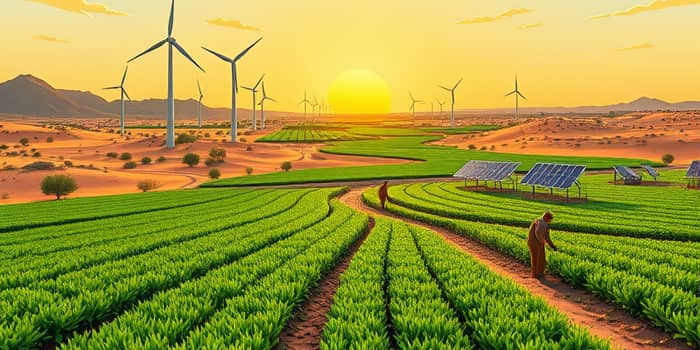
Among the most compelling initiatives is Egypt’s bold 2025–26 fiscal plan, targeting $2.6 billion in private funding to transform desert areas such as Toshka, Sinai, and the New Delta. By modernizing irrigation systems and scaling greenhouses, this program aims to expand cultivated land, boost yields of corn, cotton, and oilseeds, and dramatically reduce the nation’s $16.4 billion food import bill.
The success of a pilot program growing cotton in the southern Sinai desert has demonstrated how desert agriculture initiatives can attract multinational investment and deliver tangible returns. Such projects not only secure food supplies but also create jobs, foster rural development, and combat poverty.
- Modern irrigation and precision agriculture technology
- Contract farming for strategic crops
- Greenhouse expansions powered by renewable energy
- Sustainable finance and ESG investing in agribusiness
Investors eyeing these regions benefit from supportive policies, such as streamlined regulations and public–private partnerships that de-risk capital and amplify impact.
Private Sector Momentum and Sustainable Finance
The private sector’s role is paramount. Egypt’s emphasis on private sector engagement in irrigation and yield improvements is mirrored by global investment trends that favor infrastructure, digitization, and climate adaptation measures in arid zones.
Conferences such as the Seventh International Congress on the Economy of Drylands (April 2026) highlight how collaboration among governments, development banks, and private funds can accelerate progress. Key performance indicators track metrics like land under irrigation, crop yield indices, and value added by agriculture as a share of GDP.
- Irrigated land as a percentage of total agricultural area
- Agricultural value added to GDP
- Cereal yield trends and crop production indexes
By aligning investments with these benchmarks, stakeholders can measure impact, manage risk, and ensure long-term viability.
Challenges and Risks on the Path to Prosperity
Despite promising advances, significant hurdles remain. The expansion of arid ecosystems increases surface albedo, potentially reinforcing warming feedback loops. Loss of plant litter inputs by 8.7% and decomposition rates by 5.7% signal weakening nutrient cycles and reduced carbon sequestration capacity.
Socio-economic disparities exacerbate the problem. Dryland communities in Africa and Asia often see vegetation productivity decline per unit of rainfall, while wealthier arid regions—such as parts of Australia and South America—weather these pressures more effectively. Without equitable investment, food shortages and climate displacement will intensify.
- Desertification and soil erosion risks
- Water scarcity and competition among users
- Gaps in transport, energy, and digital infrastructure
Addressing these obstacles requires an integrated approach that combines environmental restoration with socio-economic development.
Case Studies: From Vision to Reality
Real-world examples illustrate how targeted interventions can drive sustainable growth across arid regions.
Strategies for Investors and Policymakers
To capitalize on these opportunities, investors and governments must pursue a multi-pronged strategy. Steps include:
1. Strengthening infrastructure and technological innovation—from broadband in rural areas to solar-powered desalination.
2. Fostering international partnerships to share best practices and de-risk cross-border investments.
3. Designing policies that incentivize land restoration, carbon capture, and sustainable water management.
4. Expanding financing mechanisms such as green bonds, climate transition funds, and blended capital instruments tailored to arid land projects.
When aligned, these measures can transform deserts into engines of economic growth while preserving ecological integrity.
Conclusion: Cultivating a Sustainable Desert Future
The journey from barren landscapes to fertile oases is far from simple, but the rewards are profound. By harnessing transforming arid lands into productive landscapes and prioritizing sustainable investment, we can create resilient food systems, generate inclusive prosperity, and mitigate climate pressures.
As the world seeks pathways to feed a growing population and achieve net-zero targets, the desert offers a canvas for human ingenuity. With collaboration, innovation, and targeted capital, the sands of arid zones can indeed blossom into fields of opportunity.
References
- https://www.ecofinagency.com/news/0109-48330-egypt-targets-2-6b-in-private-investment-for-desert-farming-in-2025-2026
- https://pubmed.ncbi.nlm.nih.gov/38634556/
- https://greenmoney.com/five-sustainable-finance-predictions-for-2026/
- https://discoveryalert.com.au/investment-opportunities-egypt-oil-mining-2026/
- https://www.preventionweb.net/news/drylands-hit-harder-poverty-richer-regions
- https://easychair.org/cfp/desert-research-sahara-economy-development-aridlands-sciences-conference-7
- https://data.worldbank.org/topic/agriculture-and-rural-development
- https://www.modernghana.com/news/1458428/the-strategic-role-of-multinational-investment.html
- https://www.bcg.com/publications/2026/infrastructure-investments-in-an-uncertain-world
- http://www.ers.usda.gov/topics/rural-economy-population
- https://www.un.org/sustainabledevelopment/blog/2024/12/press-release-three-quarters-of-earths-land-became-permanently-drier-in-last-three-decades-un/
- https://www.tandfonline.com/doi/full/10.1080/20780389.2022.2099371
- https://ourworldindata.org/peak-agriculture-land