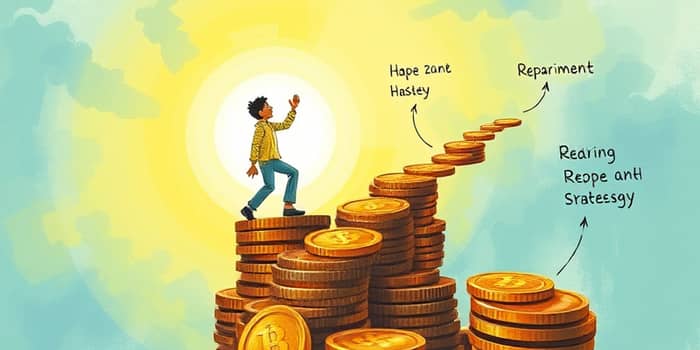
Debt can feel overwhelming, but with a structured plan and commitment you can turn the tide. By understanding your obligations and choosing targeted strategies, you’ll forge lasting financial stability and peace.
Understanding Your Debt Landscape
Begin by creating a detailed list of every debt: balances, interest rates, due dates, and minimum payments. Seeing this information in one place demystifies the complexity and empowers you.
Track your monthly income and expenses to identify how much extra you can allocate toward debt reduction. Even modest amounts—an extra $20 or $50 each month—add up over time, chiseling away at your principal and reducing interest charges.
Core Debt Reduction Strategies
Selecting the right approach hinges on your personal motivations and financial goals. Below is a comparison of two popular methods to guide your decision-making.
Once you decide on a primary method, follow these core steps:
Always make all minimum payments on every account to stay current and avoid fees.
Direct all extra funds immediately to your chosen target debt—smallest balance or highest interest—until it’s paid off.
Reallocate all freed funds promptly from debts already settled to accelerate the next payoff.
Pay More Than Minimum Payments
Raising your monthly payment by even a small amount—$20, $50, or $100—dramatically reduces the principal balance and curtails interest growth. Over the lifespan of a loan, these extra payments can save hundreds or thousands of dollars.
Consistency is paramount. Treat extra payments as a non-negotiable part of your budget, just like rent or utilities. Developing this habit fosters steady momentum toward your goals.
Debt Consolidation
Debt consolidation merges multiple balances into a single loan or credit card, often at a lower interest rate. This simplifies payments and can shorten payoff timelines, especially if high-interest credit cards are the primary burden.
- Balance transfer credit cards with 0% introductory rates
- Fixed-rate debt consolidation loans
While consolidation offers clear advantages, carefully evaluate fees, introductory rate expirations, and eligibility requirements. A well-chosen consolidation tool can be transformational, but missteps may add costs in the long run.
Debt Management Programs
If you’re overwhelmed by balances or struggling to navigate lenders’ terms, a debt management program (DMP) might be the solution. These programs offer structured support, often with reduced interest rates and waived fees.
- Negotiated lower interest rates on credit accounts
- Single monthly payment to a counseling agency
- Waived late fees and penalty reductions
- stress-free, simplified monthly payments foster accountability
Historical data shows a 68.4% success rate among DMP participants who complete the program. While it can take up to five years, many experience less anxiety and enjoy clearer timelines toward becoming debt-free.
Supporting Strategies for Long-Term Success
Paying off debt is not just a financial challenge; it’s a behavioral journey. To strengthen your chances of success, consider these foundational practices.
- Create a realistic, zero-based budget that allocates every dollar to a purpose
- Set clear and achievable goals with deadlines, such as reducing credit card debt by $3,000 in 12 months
- Build an emergency fund to cover unexpected costs and avoid new debt
- Seek professional credit counseling if you feel stuck or need help negotiating with creditors
Clear goals combined with an emergency cushion form a safety net, preventing setbacks and bolstering confidence. When surprises arise—a medical bill or car repair—you’ll be prepared without derailing your debt plan.
Maintaining Momentum and Celebrating Progress
Debt repayment is a marathon, not a sprint. Recognize milestones along the way to stay motivated. Celebrate paying off a single card, hitting a savings benchmark, or completing a year of on-time payments.
Small awards—like a modest treat or an afternoon off—help match your brain’s reward system to the long-term prize of financial freedom. These psychological boosts can be as crucial as adding extra dollars to your monthly payment.
Conclusion: Crafting Your Path to Freedom
No two debt journeys are identical. Choose the methods that resonate with your temperament and goals—whether it’s the momentum of the snowball method or the math of the avalanche. Supplement these approaches with extra payments, consolidation where useful, and professional support as needed.
With a strategic plan, disciplined spending, and consistent small consecutive wins, you can transform debt from a weight into a stepping stone. Each payment brings you closer to a horizon where you control your finances instead of the other way around. The road to being debt-free may have challenges, but every step forward lights the path to a hopeful, liberated future.
References
- https://www.consumerfinance.gov/about-us/blog/how-reduce-your-debt/
- https://debtwave.org/success-rate/
- https://advice.hzcu.org/credit-and-debt/debt/article/debt-payoff-strategies
- https://extension.wvu.edu/youth-family/finances/blog/2025/04/01/smart-strategies-for-effective-debt-management
- https://www.citizensbank.com/learning/what-is-the-debt-snowball-pay-down-method.aspx
- https://www.westernsouthern.com/personal-finance/debt-reduction-strategies
- https://www.navyfederal.org/makingcents/credit-debt/debt-repayment-strategies.html
- https://www.advantageccs.org/blog/mastering-your-finances-the-secret-to-success-with-a-debt-management-program/
- https://consumer.ftc.gov/articles/how-get-out-debt
- https://www.nerdwallet.com/personal-loans/learn/pay-off-debt
- https://www.wellsfargo.com/goals-credit/smarter-credit/manage-your-debt/snowball-vs-avalanche-paydown/
- https://ticas.org/affordability-2/2025-student-debt-survey-blog/
- https://www.militaryonesource.mil/resources/millife-guides/paying-off-debt/
- https://nomoredebts.org/blog/dealing-with-debt/4-key-debt-reduction-strategies