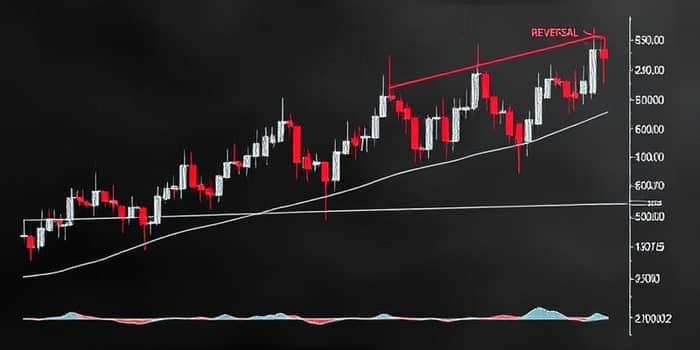
Candlestick analysis evolves beyond singles when traders embrace complex formations that reveal hidden market shifts. This guide empowers you with clarity and precision.
Understanding Advanced Candlestick Formations
Candles tell stories, but multi-candle reversal and continuation patterns reveal deeper narrative arcs in price action. By scanning for three- to five-candle structures, you capture trend shifts that basic singles might miss.
These patterns demand context: trending markets, higher timeframes, and proximity to support or resistance. When aligned, they serve as potent signals rather than random noise.
- Pattern identification rules and context
- Confirmation techniques using volume and indicators
- Trading strategies, stops, targets, risk management
- Statistical validation and performance metrics
Reversal Patterns: Bullish and Bearish Signals
Reversals mark the end of prevailing trends. Spotting reliable flips in sentiment can yield high-probability trades when paired with confirmation tools.
Key bullish reversal setups include the Morning Star, Hammer in high-volume zones, Bullish Engulfing around support, Three Inside Up, Tower Bottom, and Island Reversals. Each obeys strict formation rules and often aligns with oversold indicators like RSI.
Bearish turns emerge via Evening Star, Shooting Star at resistance, Bearish Engulfing beneath supply zones, Three Black Crows after extended rallies, Advance Block, Tower Top, and Bearish Islands. Spotting these near key levels enhances success rates.
- Morning Star and Evening Star patterns
- Hammer and Shooting Star confirmations
- Engulfing, Three Inside Up, Three Black Crows
- Tower Bottom, Tower Top, Island Reversals
Continuation Patterns and Trend Persistence
In trending markets, continuation signals maintain direction. Patterns like Rising Three Methods and Falling Three Methods appear as small counter-trend candles within strong moves, followed by decisive follow-throughs.
These setups boast up to 70% accuracy in H1+ charts and shine when integrated with Elliott Wave structures, confirming impulsive legs and retracements. Recognizing them early helps traders add to winners rather than chasing breakouts.
Integration with Market Context and Tools
Candlesticks on their own provide limited insight. True edge arises from integration with broader analysis tools like Elliott Wave, Ichimoku Cloud, and classic support or resistance zones. For example, a Bullish Engulfing at Wave 2’s end or above the Ichimoku Cloud signals stronger conviction.
Below is a summary of pattern categories, reliability boosters, and sample assets or timeframes:
Systematic Confirmation Techniques
No pattern is infallible. Combining candlesticks with real-time data builds conviction. Use volume and indicator confirmation methods like volume profiles, order flow imbalances, and indicator divergences to validate setups.
- Volume Profile: high-volume nodes boost reversal strength
- Order Flow: buy/sell imbalances confirm candle intent
- Indicators (RSI, Stochastics, MACD, Bollinger Bands)
- Higher timeframe context and S/R alignment
For example, a Shooting Star with sell-side absorption and RSI divergence at a resistance zone often precedes sharp reversals.
Trading Strategies and Risk Management
Translating patterns into profits requires disciplined execution. Entry triggers typically occur at close of the confirmation candle, while stops anchor beyond recent swing highs or lows.
Targets derive from pattern height projections, Fibonacci ratios, or structural levels. Aim for risk-reward ratios of at least 1:2 to ensure positive expectancy over time. Always size positions based on capital limits and volatility.
For example, an Advance Block strategy enters short on the follow-through candle with a stop above the strongest wick; a Three Black Crows setup triggers a short after the third candle close targeting the pattern’s depth; and a Morning Star entry buys above the third candle midpoint with an ATR-based stop. These examples illustrate disciplined application across varied patterns.
Statistical Validation for Consistent Performance
Backtesting underpins trust. Use systematic frameworks to measure win/loss ratios, profit factors, Sharpe ratios, and significance via Z-tests or Monte Carlo simulations.
Studies reveal roughly 70% accuracy in trending markets, with additional systematic statistical validation techniques boosting reliability by another 20–25% when indicators and volume filters are applied.
Maintain a trading journal to track entry conditions, outcomes, and evolving market behavior to refine rules continuously.
Caveats and Best Practices
Even the most robust patterns yield false signals without confirmation. Beware of isolated candles in low-volume contexts or erratic markets. Patience for setup completion and alignment with broader trends reduces noise.
Regularly update pattern cheat sheets and integrate new insights from Wyckoff cycles or evolving order flow tools. Avoid overtrading by limiting setups to high-probability contexts.
Conclusion
Advanced candlestick patterns offer a powerful lens into market psychology when wielded with discipline and supporting tools. By mastering pattern rules, context integration, robust risk management practices, and validation metrics, traders can elevate precision and confidence.
Embrace the learning journey—refine strategies, track performance, and adapt to shifting markets. With dedication, these intricate formations can become reliable pillars in your trading toolkit, guiding you toward consistent success.
References
- https://pepperstone.com/en/learn-to-trade/trading-guides/candlestick-charts-for-advanced-traders/
- https://www.luxalgo.com/blog/advanced-block-candlestick-tactics-explained/
- https://howtotrade.com/cheat-sheets/advanced-candlestick-patterns/
- https://trendspider.com/learning-center/advance-block-candlestick-pattern-a-traders-guide/
- https://fxopen.com/blog/en/advanced-candlestick-pattern-analysis/
- https://www.moomoo.com/us/learn/detail-how-to-identify-advanced-candlestick-patterns-63585-220672086
- https://www.ig.com/en/trading-strategies/16-candlestick-patterns-every-trader-should-know-180615
- https://www.scribd.com/document/871468433/CANDLECRAFT-the-Advanced-Candlestick-Guide